
Why I Started Wellness Can Be Simple
How chronic illness led me to rediscover healing in the simplest ways possible I didn't set out to become someone who talks about wellness.

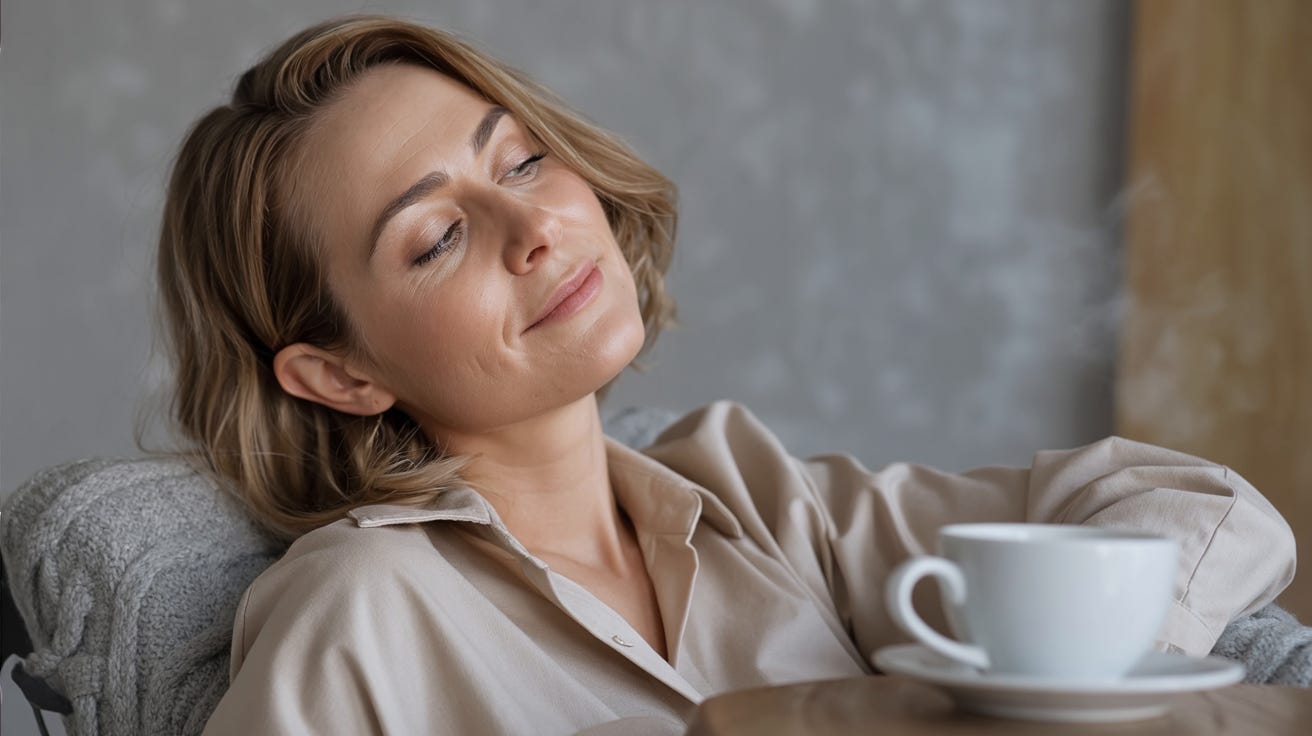
I didn’t set out to become someone who talks about wellness. Honestly, I didn’t even think much about it until my body started giving me messages I couldn’t ignore anymore.
It all really began when I was 16, running cross country in high school. I loved it—the rhythm of my feet hitting the track, the burn in my lungs, the feeling of pushing myself just a little harder each time. But then my ankles started swelling after every meet.
Not just a little puffy—painful, hot, swollen. I went to the doctor, they ran some tests, couldn’t find a clear answer, gave me something for the pain and swelling, and told me to stay off my feet. So I sat out the rest of my 10th grade season. The swelling went away, and I moved on. No one knew what caused it, so I just... forgot about it.
Fast forward to 2010. I was in my late twenties, and I started waking up feeling like my joints were rusted shut. You know that feeling when you first wake up and your body just doesn’t want to cooperate? It was like that, but worse.
Once I got moving, things would loosen up a bit, but most days I was uncomfortable—and some were just plain painful. I didn’t do anything about it, though. I told myself it was just part of getting older. Isn’t that what we do? We normalize things that aren’t actually normal.
Then in 2012 everything changed.
When My Body Said “Enough”
I was in my early thirties when the exhaustion started. Not just “I need a nap” tired—I mean bone-deep, soul-crushing fatigue. I’d come home from work and go straight to bed. Sleep through the entire night. Wake up to go back to work. And never, ever feel rested.
Some days I couldn’t get out of bed at all. I’d have to call in sick because my body simply refused to move. There were days—and this is hard to talk about, but it’s real—when I had to sleep in protective undergarments because I either didn’t wake up to use the bathroom or physically couldn’t get out of bed. That’s when the fear really set in.
Then came the fevers and rashes. As a healthcare worker, I recognized the term they used: Fever of Unknown Origin. It’s one thing to see those symptoms in a patient. It’s completely different when they’re happening to you, and you don’t know how to deal with the frustration and fear of what’s going on in your own body.
My doctor ran tests. Lots of tests. X-rays, MRI, blood work. My white blood count was high, my inflammatory markers were elevated, but nothing gave us clear answers. So began the specialist shuffle—one after another, more tests, medications that didn’t work or made things worse with side effects I couldn’t tolerate.
Finally, when one specialist was out and I saw his partner instead, something shifted. This doctor looked at me—really looked—and started connecting dots others had missed. She noticed my fingernails were ridged, a sign of autoimmune illness.
She took my rash seriously. My digestive issues and constant bloating. The fever. After more weeks of testing and more exhausting days, I finally had a diagnosis: IBS and Lupus.
Hearing those words was both a relief and a heartbreak—finally having an answer, but knowing life was about to change.
The Turning Point
The treatment plan was aggressive. Infusion center visits. Medications that either didn’t work, didn’t agree with me, or made my symptoms worse. I felt like I was drowning in treatments that weren’t actually helping me feel better.
Then a pharmacist friend told me about a chiropractor who was also a naturopath and energy medicine practitioner. She swore he changed her life. At that point, nothing else was working, so I figured, why not?
When I met with him, he suggested something that seemed both simple and impossible: change my diet. Eliminate gluten (oh no!), sugar, and seed oils. Use only coconut, olive, or avocado oils for cooking. And I was drinking several cans of diet soda every day—he told me to cut those out too and stick to water, tea, and the occasional coffee.
I started slow. Really slow. I’d be disciplined for a few days, then the cravings would hit and I’d eat something sweet or have bread or fry up some chicken in the seed oils I was trying to use up from my pantry.
But on the days when I stuck with it, I noticed something: a couple days later, I wasn’t quite as stiff when I woke up. My joints didn’t ache as much.
That small improvement kept me going. I forced myself past the cravings—chewing lots of sugar-free gum, drinking tons of seltzer water—and a few months later, I was actually feeling better. Less tired. Less joint pain. My skin looked healthier. My digestive issues improved.
Working with my medical doctor, we either replaced some medications with supplements or adjusted doses. I had flare-ups from time to time, but overall? I was improving.
That journey took about five years. And then 2020 happened.
I caught COVID at work, and it knocked the rug right out from under me. After the initial COVID symptoms passed, the flare-ups came back with a vengeance. Fevers returned. I started losing my hair. The digestive issues came roaring back.
I went back to the chiropractor who’d helped me before, and we experimented with my diet again—this time trying carnivore. It helped. Not perfectly, not completely, but more than traditional medicine had been able to do for me.
Where I Am Now
These days, I’m still careful with my meals. I mix keto and carnivore approaches, and I absolutely do not eat sugar, gluten, or seed oils—and I won’t. My body still aches. I still have difficult mornings—and some days, that feeling lasts all day.
But I’m also grateful for the improvements I’ve experienced. I have hope that they’ll continue. And here’s what I’ve learned: healing isn’t about finding one magic solution. It’s about small, consistent choices that add up over time.
It’s about listening to your body instead of just pushing through. It’s about realizing that food isn’t just fuel—it’s information for your cells, and the quality of that information matters more than I ever imagined.
Why Wellness Can Be Simple Exists
I started Wellness Can Be Simple because I know how overwhelming all of this can feel. When you’re dealing with chronic illness, chronic pain, or autoimmune issues, the internet is both a blessing and a curse. There’s so much information out there, and it’s hard to know what’s real, what’s hype, and what might actually help you.
I wanted to create a space that feels different. A place where wellness isn’t about chasing perfection or following the latest trend. Where it’s okay to have hard days. Where you don’t need to have all the answers. Where healing happens one gentle, doable step at a time.
Eventually, people began asking what I was doing differently—how I was improving. That’s when I realized I could help others too. I work with several clients now, helping them navigate the often confusing world of natural wellness.
I’m no longer a licensed medical professional, so I don’t give recommendations—I share what’s worked for me and others I’ve helped on their healing journeys.
Every body is different. What helps me might not help you in the same way. But sharing the journey? That makes everything a little easier and a lot more meaningful.
Through Wellness Can Be Simple, I share practical wellness tips and simple remedies that you can actually use. I talk about what I’ve learned—sometimes the hard way—and I’m honest about what’s working and what isn’t.
You’ll find encouragement for dealing with chronic pain and autoimmune challenges, because I’m living it right alongside you. I also share some amazing lifestyle ideas for taking care of your body and soul, because wellness isn’t just about what you eat—it’s about how you live.
What’s Next
I won’t tell you that my diagnosis was the best thing that ever happened to me. Some people say that, and maybe they mean it. For me, it’s more nuanced than that. My diagnosis changed my life in unexpected ways.
Learning how to live with these conditions has taught me things I never would have learned otherwise. It’s given me experiences I’m grateful for, connections with people I treasure, and a purpose that feels real and important.
But I’d be lying if I said it was all growth and gratitude. Some days are just hard. Some days I’m frustrated that my body won’t do what I want it to do. Some days I’m tired of being tired.
And that’s okay. That’s part of it. Real healing means accepting where you are while still hoping for better. It means celebrating small victories—like waking up with less pain, or having the energy to cook a real meal, or simply getting through a difficult day and knowing you did your best.
If you’re here because you’re dealing with something similar, I want you to know: you’re not alone. If you’re here because you’re curious about natural approaches to wellness, welcome. If you’re here because you’re tired of the noise and just want someone to be real with you about what works and what doesn’t—I’m so glad you found this space.
I may not have all the answers, but I’ve learned that sharing the journey makes it easier. Let’s figure this out together, one simple step at a time.
Subscribe to Wellness Can Be Simple and follow along as we explore what it really means to heal—imperfectly, honestly, and with a whole lot of hope.
P.S. The World Health Organization reports that over half of all deaths worldwide are linked to chronic inflammation. Your story doesn’t have to be defined by that statistic. Here, we’ll learn how small, everyday choices—especially the foods we choose—can change everything.